Finding the Best Treatment for Neck Pain in Green Bay, WI
Are you struggling with persistent neck pain, stiffness, or headaches that disrupt your life in Green Bay? Whether it’s from long hours at a desk, a past auto injury, or the stress of daily life, finding lasting relief can feel overwhelming. Many people in our community believe they have to just live with the discomfort, but effective solutions are available right here at our Green Bay chiropractic clinic. Neck pain isn’t just a minor annoyance; it can limit your ability to work, enjoy hobbies, and even sleep soundly. The constant ache can radiate into your shoulders, cause debilitating headaches, and significantly impact your overall well-being.
This guide is designed to cut through the confusion and provide clear, actionable information on the best treatment for neck pain. We will explore a range of evidence-informed options, from advanced therapies to practical at-home strategies, helping you understand how chiropractic care helps restore function. You’ll learn not just what works, but why it works and for whom it is best suited.
For residents of Green Bay seeking a path away from chronic pain, this guide serves as a starting point. At Cornerstone Chiropractic, we have seen firsthand how targeted care, including chiropractic adjustments, SoftWave Therapy, and non-surgical decompression, can restore function and improve quality of life. Let’s explore the most effective strategies to get you feeling better, starting today.
1. Chiropractic Spinal Adjustment
Chiropractic spinal adjustment, also known as spinal manipulation, is a foundational technique our Green Bay chiropractor uses to address the root cause of many types of neck pain. This hands-on method involves applying a precise, controlled force to specific vertebrae in the cervical spine (the neck) that are misaligned or not moving correctly. These misalignments, often called subluxations, can interfere with nerve function, restrict movement, and cause significant pain and muscle tension.
The primary goal of an adjustment is to restore proper joint motion, which in turn alleviates pressure on surrounding nerves and reduces muscle spasms. By correcting the underlying structural issue, this treatment can provide both immediate relief and long-term correction, making it a powerful first step in finding the best treatment for neck pain.
Who Benefits from Spinal Adjustments?
This treatment is highly effective for individuals with mechanical neck pain, which stems from joint and muscle problems. As a leading neck pain chiropractor in Green Bay, we often recommend this option if you experience:
- Chronic Stiffness: Especially office workers or those who spend long hours looking at screens, leading to “text neck.”
- Reduced Range of Motion: Difficulty turning your head fully to one side, often following an auto injury or whiplash.
- Nerve-Related Symptoms: Pain, tingling, or numbness that radiates from the neck into the shoulder or arm, often a sign of sciatica in the neck (cervical radiculopathy).
What Patients Can Expect: A common scenario involves an office worker from Green Bay who suffered from persistent neck stiffness and tension headaches. After a targeted treatment plan of chiropractic adjustments over 4-6 weeks, they reported a dramatic reduction in pain and a significant improvement in their ability to work comfortably.
Actionable Tips for Optimal Results
To get the most out of your chiropractic care, combine professional treatment with proactive habits. Follow your chiropractor’s recommended visit schedule. Between appointments, focus on maintaining good posture and perform any prescribed neck stretches. For those seeking expert guidance, learning more about the benefits of chiropractic care in Green Bay, WI, can provide a deeper understanding of how a tailored approach can resolve your specific condition.
2. SoftWave Therapy (Extracorporeal Shock Wave Therapy)
SoftWave Therapy is a non-invasive, FDA-cleared technology that uses acoustic sound waves to stimulate your body’s natural healing and regenerative processes. This advanced treatment works by delivering focused energy deep into damaged neck tissues. The sound waves trigger a biological response that improves blood flow, reduces inflammation, and activates stem cells to repair and rebuild injured muscles, ligaments, and tendons.
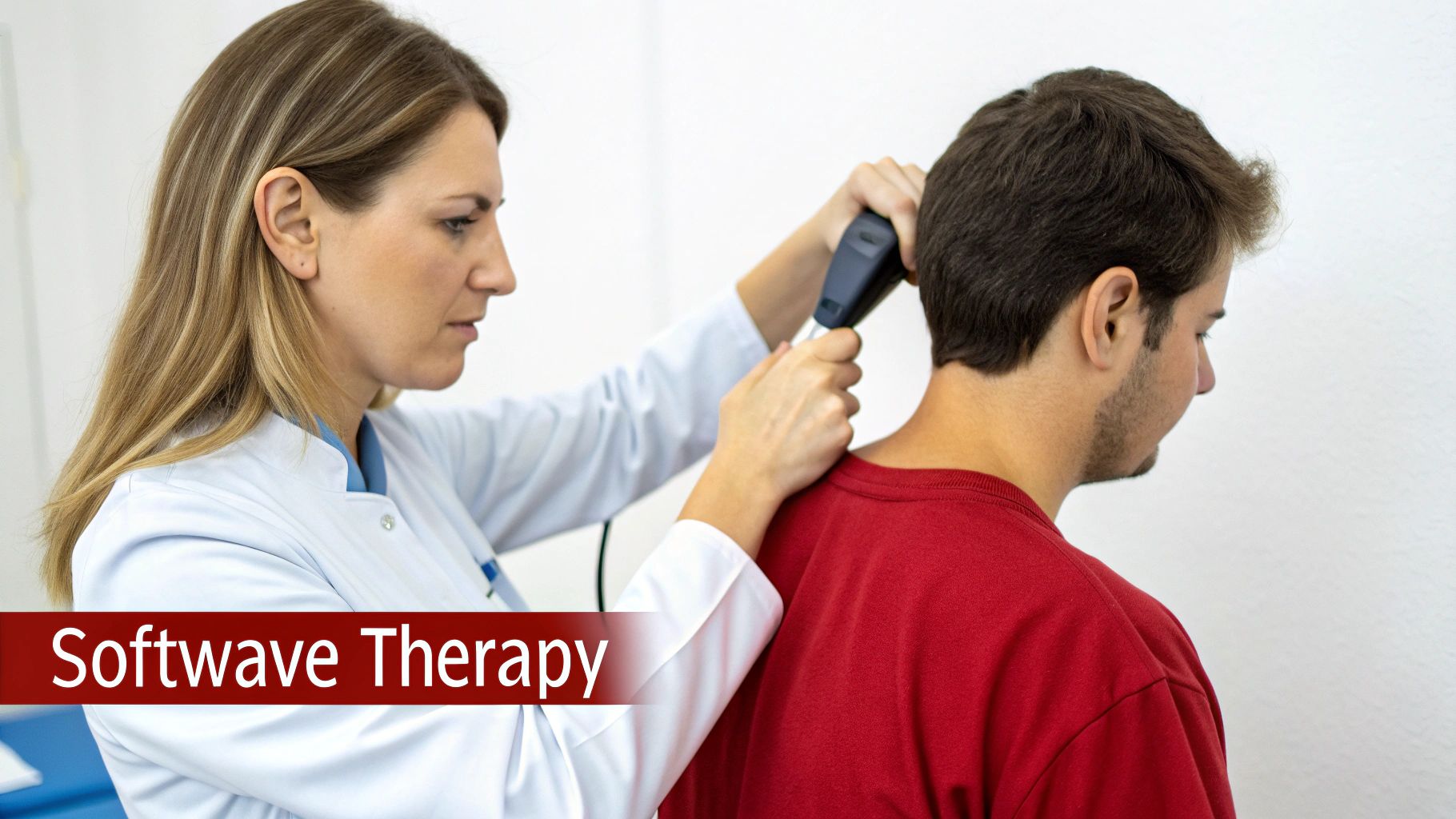
The primary goal of SoftWave Therapy is to address the source of pain at a cellular level, promoting long-term healing rather than just masking symptoms. By jumpstarting tissue regeneration, this method provides a powerful, non-surgical solution for chronic and acute neck conditions, making it one of the best treatment for neck pain options available today at our clinic in Green Bay.
Who Benefits from SoftWave Therapy?
This innovative therapy is highly effective for individuals with soft tissue injuries, chronic inflammation, or degenerative conditions that haven’t responded to traditional treatments. Our chiropractor may recommend this option if you suffer from:
- Chronic Neck Pain: Persistent pain from old injuries, arthritis, or degenerative disc disease.
- Poor Circulation: Conditions where restricted blood flow hinders the natural healing process in the neck.
- Limited Mobility: Stiffness and reduced range of motion caused by scar tissue or chronic inflammation.
What Patients Can Expect: A local Green Bay resident dealing with debilitating chronic neck pain found significant relief after starting SoftWave Therapy. Following a treatment plan of just 6-8 sessions, they experienced over a 70% reduction in pain and were able to resume activities they had given up, avoiding the need for invasive surgical procedures.
Actionable Tips for Optimal Results
To maximize the benefits of SoftWave Therapy, it’s important to support your body’s healing response. Adhere to your practitioner’s recommended treatment schedule, which is often 1-2 times per week initially. Hydrate well before and after each session to help flush out toxins and support cellular repair. At Cornerstone Chiropractic in Green Bay, this treatment is often combined with chiropractic adjustments for a synergistic effect that enhances spinal alignment and tissue regeneration.
3. Therapeutic Neck Exercises and Stretching
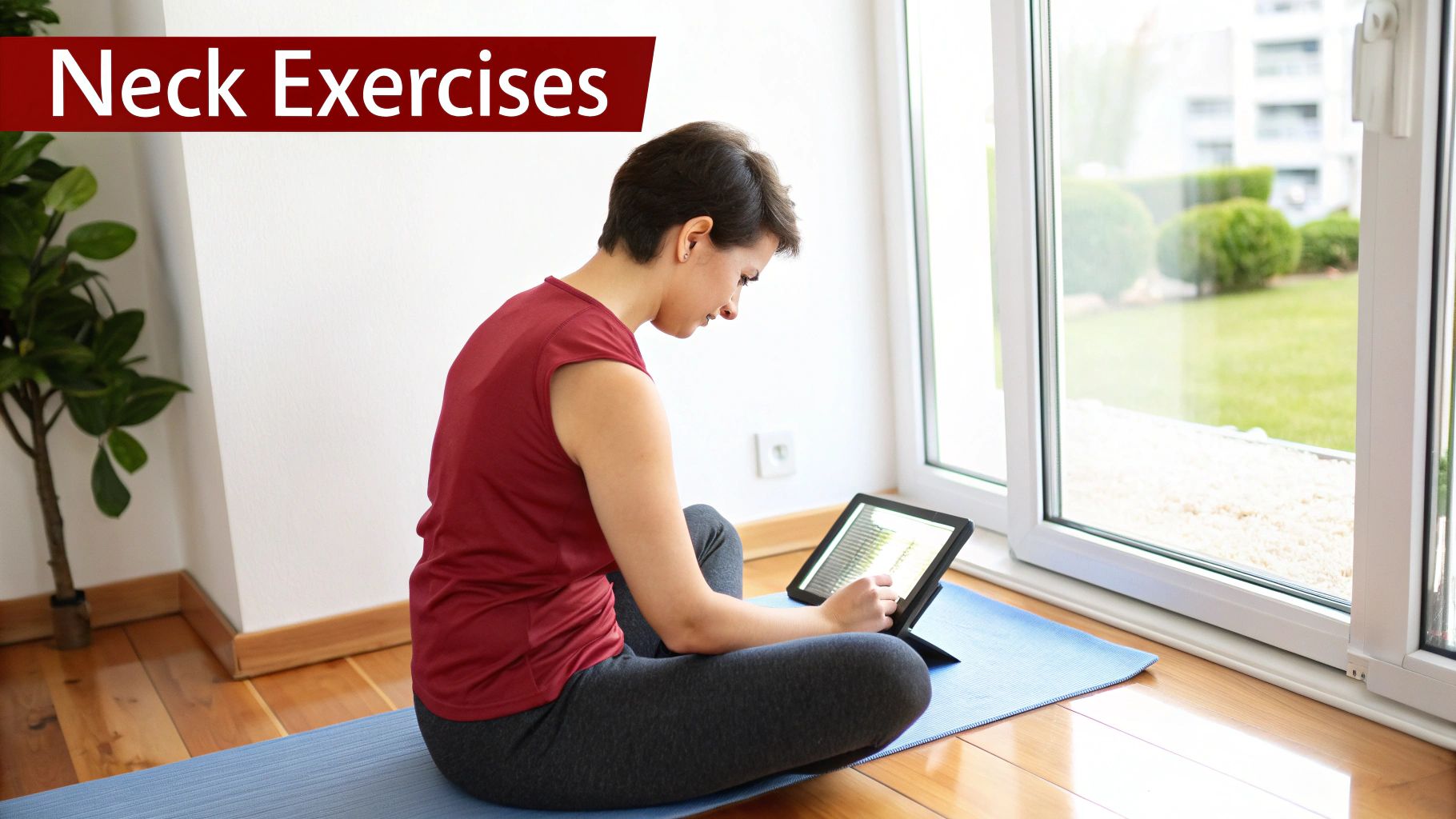
Therapeutic neck exercises and stretching are a cornerstone of effective neck pain management and long-term recovery. This active approach involves specific, targeted movements designed to strengthen weak cervical muscles, improve flexibility in tight areas, and restore proper spinal alignment. By addressing underlying muscle imbalances and enhancing proprioception (your body’s awareness of its position), these exercises build a strong, supportive foundation for your neck, making it more resilient to stress and strain.
This method complements passive treatments like chiropractic adjustments by empowering you to maintain stability and prevent future pain episodes. It is a critical component of a comprehensive plan for the best treatment for neck pain.
Who Benefits from Therapeutic Exercises?
A personalized exercise protocol is beneficial for nearly anyone experiencing neck pain, especially when it’s related to posture, muscle strain, or injury recovery. Consider this approach if you have:
- Postural Strain: Ideal for office workers in Green Bay looking to counteract the effects of “text neck” and prolonged screen time.
- Post-Injury Rehabilitation: Essential for whiplash patients to safely regain their full range of motion and prevent chronic stiffness.
- Chronic Neck Ache: Patients with persistent, dull neck pain often find a 50% or more reduction in symptoms with consistent home exercises.
What Patients Can Expect: A local teacher from Green Bay was struggling with daily headaches and neck pain from grading papers. A tailored 6-week protocol of gentle stretches and strengthening exercises, provided by her chiropractor, not only provided headache relief but also improved her posture and energy levels throughout the school day.
Actionable Tips for Optimal Results
To maximize the benefits of therapeutic exercise, consistency and proper form are key. Always start with a personalized protocol from your chiropractor to ensure the movements are safe for your specific condition. Start gently before progressing to more advanced strengthening, and perform your routine 5-6 days per week. Hold each stretch for 30 seconds, repeating it 3 times, and move slowly without any jerking motions. By incorporating these exercises into your daily habits, you can learn how to relieve neck pain at home and reinforce the positive changes from your in-office treatments.
4. Non-Surgical Spinal Decompression
Non-surgical spinal decompression is an advanced, motorized traction therapy designed to alleviate neck pain by gently stretching the spine. This process creates negative pressure within the targeted cervical discs, which can help retract or reposition herniated or bulging disc material. This action takes pressure off compressed nerves and spinal structures, providing an ideal environment for healing.
The primary goal is to relieve pain and promote the movement of water, oxygen, and nutrient-rich fluids into the discs so they can heal. For those in Green Bay with chronic neck pain stemming from disc issues, it represents one of the best treatment for neck pain options available, often helping patients avoid invasive procedures like surgery.
Who Benefits from Spinal Decompression?
This therapy is particularly effective for individuals whose neck pain is caused by disc-related conditions. It is an excellent choice for disc injury treatment if you are experiencing:
- Herniated or Bulging Cervical Discs: When disc material protrudes and presses on nearby nerves, causing localized or radiating pain.
- Cervical Radiculopathy: Sharp, shooting pain, numbness, or tingling that travels from the neck down into the shoulder, arm, or hand.
- Degenerative Disc Disease: The gradual breakdown of spinal discs that leads to chronic stiffness and pain.
What Patients Can Expect: A Green Bay patient with a C5-C6 disc herniation faced the prospect of surgery after other treatments failed. A comprehensive plan featuring spinal decompression led to a significant reduction in their nerve pain and restored mobility, allowing them to return to their daily activities without invasive intervention.
Actionable Tips for Optimal Results
To maximize the benefits of spinal decompression, it’s crucial to follow a structured approach. Commit to the full recommended course of treatment, which typically involves multiple sessions over 4-6 weeks. During this period, avoid heavy lifting or strenuous activities that could re-aggravate your condition. Many find that combining decompression with chiropractic adjustments creates a powerful synergistic effect. To learn more about how this integrated approach can help, you can find detailed information on the best treatment for a herniated disc.
5. Ergonomic Assessment and Postural Correction
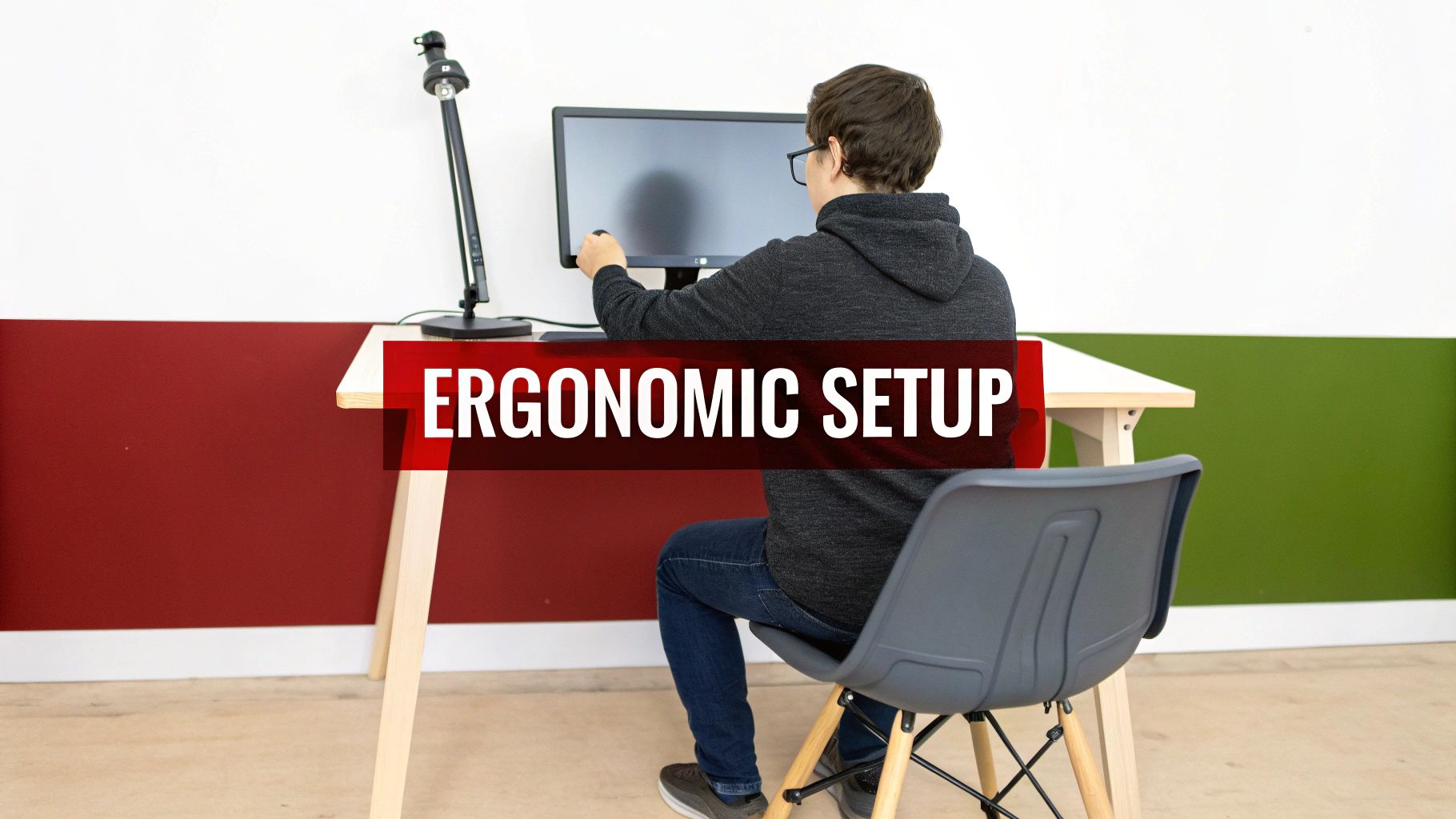
An ergonomic assessment is a proactive approach that evaluates how your workspace, daily movements, and postural habits contribute to neck pain. This preventative method involves identifying and correcting environmental or behavioral factors, such as an improperly set up desk or poor sitting posture, that place excessive strain on your cervical spine. By optimizing your environment and correcting your posture, this becomes a fundamental part of the best treatment for neck pain.
The primary goal is to minimize physical stress on your neck and upper back throughout the day. This reduces muscle tension, prevents nerve irritation, and stops the cycle of chronic pain before it becomes severe. Correcting these root causes offers sustainable, long-term relief and empowers you to maintain a healthy, pain-free neck.
Who Benefits from Ergonomic and Postural Correction?
This preventative strategy is crucial for anyone whose daily activities contribute to neck strain. It is particularly effective for:
- Office and Remote Workers: Those who spend hours at a computer and often develop “text neck” or chronic stiffness from a poor desk setup.
- Students: Individuals who carry heavy backpacks or spend long periods studying in positions that strain the cervical spine.
- Occupational Strain: Cashiers, drivers, and retail workers whose job requires repetitive motions or prolonged static postures.
What Patients Can Expect: A remote worker in Green Bay was struggling with daily neck pain and headaches that disrupted their focus. An ergonomic assessment revealed their monitor was too low and their chair provided no support. After adjusting their desk setup and learning postural exercises from their chiropractor, they reported a 60% reduction in pain within a month.
Actionable Tips for Optimal Results
Integrate ergonomic principles into your daily routine to prevent neck pain from returning. Position your computer monitor at eye level, about 20-26 inches away from your face, and keep your elbows bent at a 90-degree angle. Ensure your feet are flat on the floor or a footrest. Take frequent breaks every hour to stand up, stretch, and perform simple neck rolls. For expert guidance on integrating these habits with professional care, a chiropractor in Green Bay, WI, can provide personalized postural coaching that complements your treatment plan and reinforces long-term spinal health.
6. Soft Tissue Therapy and Myofascial Release
Soft tissue therapy is a crucial component of a comprehensive neck pain treatment plan, focusing directly on the muscles, tendons, ligaments, and fascia that support the cervical spine. Techniques like therapeutic massage, myofascial release, and trigger point therapy manually address muscle tension, painful knots, and restrictive adhesions. This hands-on approach improves blood flow, reduces inflammation, and restores elasticity to tissues that have become tight from injury, overuse, or poor posture.
The primary goal is to release muscular restrictions that often pull the spine out of alignment. By preparing the soft tissues, this therapy enhances the effectiveness of other treatments, such as chiropractic adjustments, and provides significant pain relief on its own. It’s an excellent strategy for tackling the muscular component of neck pain, making it one of the best treatment for neck pain options available.
Who Benefits from Soft Tissue Therapy?
This treatment is ideal for individuals whose neck pain is driven by muscular tightness, inflammation, or scar tissue. Consider this option if you experience:
- Chronic Muscle Tension: Especially desk workers or drivers in Green Bay with persistent tightness in the neck, upper back, and shoulders.
- Post-Injury Stiffness: Individuals recovering from whiplash or a sports injury where soft tissue damage contributes to limited mobility.
- Headaches from Muscle Knots: Tension headaches that originate from trigger points in the trapezius or suboccipital muscles.
What Patients Can Expect: Many patients, like local office workers suffering from chronic trapezius tension, find immense relief after a targeted plan. A series of 4-6 soft tissue therapy sessions, often combined with adjustments, can break the cycle of pain and dramatically improve their comfort and productivity at work.
Actionable Tips for Optimal Results
To maximize the benefits, integrate professional care with smart at-home habits. Always communicate with your therapist about your pain levels and specific areas of concern before and during a session. Stay well-hydrated afterward to help your body flush out metabolic byproducts released from the tissues. For the best synergy, schedule your soft tissue therapy a day or two before a chiropractic adjustment. This helps relax the muscles, allowing for a more effective and comfortable alignment.
7. Heat and Cold Therapy
Heat and cold therapy, also known as thermotherapy and cryotherapy, are accessible yet powerful methods for managing neck pain. This approach uses temperature to influence physiological responses in the body. Cold therapy constricts blood vessels, which helps reduce inflammation, numb sharp pain, and minimize swelling, making it ideal for acute injuries. In contrast, heat therapy dilates blood vessels, increasing blood flow to relax tight muscles, decrease stiffness, and soothe chronic aches.
The strategic application of these opposing modalities can significantly accelerate healing and provide targeted relief. By understanding when to use ice versus heat, you can effectively manage symptoms at different stages of an injury, making this combination one of the best treatments for neck pain that you can perform at home.
Who Benefits from Heat and Cold Therapy?
This treatment is highly versatile and beneficial for a wide range of neck pain sufferers, from acute injuries to chronic conditions. Consider this option if you experience:
- Acute Neck Strain: Immediately following a muscle pull or an injury like whiplash, where inflammation is the primary concern.
- Chronic Muscle Stiffness: Persistent tightness from poor posture or stress, often felt by those working at a desk.
- Post-Adjustment Soreness: To manage any temporary, mild soreness that can occur after a chiropractic treatment session.
What Patients Can Expect: Many patients in Green Bay, WI, dealing with a sudden neck strain after a weekend of yard work find immediate relief. By applying ice for the first 48 hours to control inflammation and then switching to a heating pad, they can soothe residual muscle tightness and regain mobility much faster.
Actionable Tips for Optimal Results
To maximize the benefits of temperature therapy, timing and technique are key. For the first 48-72 hours after an acute injury, apply an ice pack wrapped in a thin towel for 15-20 minutes every hour. Once the initial inflammation subsides, switch to heat for 15-20 minutes to relax muscles before stretching. Never apply ice or heat directly to the skin. This simple, effective strategy complements professional chiropractic care and empowers you to manage pain between appointments.
8. Cervical Collar or Neck Brace Support
A cervical collar, or neck brace, is a supportive device designed to stabilize the cervical spine after an acute injury or during a severe pain flare-up. By limiting harmful neck motion, it allows irritated muscles and ligaments to rest and heal. This external support can significantly reduce muscle tension, unload the spine, and provide immediate comfort, making it a valuable short-term tool within a comprehensive neck pain treatment plan.
The primary purpose of a neck brace is to immobilize the cervical spine temporarily, preventing movements that could worsen an injury or prolong recovery. While not a standalone cure, its role in providing stability and pain relief during the acute phase makes it a key component for managing certain conditions, positioning it as a supportive element in the best treatment for neck pain.
Who Benefits from a Cervical Collar?
This supportive device is most effective for temporary use following specific incidents or during intense flare-ups. Consider this option if you experience:
- Acute Whiplash: Following a car accident, a collar can be worn for 1-2 weeks to stabilize the neck during the initial, most painful phase.
- Severe Muscle Spasms: When neck muscles are in a state of extreme contraction, a collar provides rest and prevents further irritation.
- Pain During Travel: Using a collar on long flights or car rides can prevent the neck from settling into a painful position.
What Patients Can Expect: A common scenario involves a patient from Green Bay who experienced a severe whiplash injury in an auto accident. Using a soft cervical collar for the first ten days, as recommended, allowed the initial inflammation to subside enough to begin gentle chiropractic adjustments and therapeutic exercises, which accelerated their overall recovery.
Actionable Tips for Optimal Results
To maximize benefits and avoid dependency, use a cervical collar strategically. It is crucial to consult your chiropractor for guidance on proper fit, type, and duration of use. Generally, collars should be used for short periods, such as 1-3 weeks maximum, to prevent muscle weakening. Rather than wearing it continuously, use it for a few hours at a time or during activities that aggravate your pain. This temporary support should always be combined with active treatments like chiropractic adjustments to address the root cause of the problem.
9. Anti-Inflammatory Medications
Anti-inflammatory medications, such as nonsteroidal anti-inflammatory drugs (NSAIDs), serve as a common first-line approach to temporarily reduce the inflammation and pain associated with acute neck injuries. Available both over-the-counter (like ibuprofen and naproxen) and by prescription, these medications work by blocking enzymes that produce prostaglandins, substances in the body that promote inflammation, pain, and fever.
The primary goal of using these medications is to provide short-term relief, making it easier for an individual to engage in more active, corrective treatments like chiropractic care. By reducing inflammation, these drugs can help break the pain cycle, allowing for improved movement and participation in therapies designed to address the root cause, making them a useful component of a comprehensive plan for the best treatment for neck pain.
Who Benefits from Anti-Inflammatory Medications?
This approach is best suited as a temporary bridge for individuals with acute inflammation from a recent injury or a flare-up of a chronic condition. Consider this option if you experience:
- Acute Neck Strain: Pain and stiffness from a recent event, like sleeping in an awkward position or a minor sports injury.
- Flare-Ups of Chronic Conditions: Increased pain and inflammation from conditions like cervical spondylosis or arthritis.
- Pain Limiting Active Care: Discomfort that is too severe to allow for effective participation in chiropractic adjustments or physical therapy.
What Patients Can Expect: A patient in Green Bay who experienced a whiplash injury from a minor car accident might use an NSAID for the first 5-7 days to manage the initial severe inflammation. This can enable them to begin a gentle chiropractic treatment plan much sooner, helping to accelerate their recovery and restore neck function.
Actionable Tips for Optimal Results
To use medications safely and effectively, view them as a tool to support your primary treatment, not a long-term solution. Always follow the prescribed dosage and take them with food to minimize stomach irritation. It is crucial not to use them for more than 10 days without medical advice. For patients in Green Bay, WI, it is vital to inform your chiropractor about any medications you are taking to ensure a well-coordinated and safe treatment plan. As your chiropractic care progresses and addresses the underlying issue, you can work with your healthcare providers to gradually reduce your reliance on medication.
10. Lifestyle Modifications and Stress Management
Neck pain is often a multifaceted issue where physical strain is amplified by mental and behavioral factors. This approach addresses the root causes of pain by focusing on lifestyle adjustments and stress reduction techniques. By managing stress, improving sleep, and adopting healthier habits, you can create an environment that supports healing and prevents pain from recurring, making this a crucial component of the best treatment for neck pain.
The core principle is that our daily routines and mental states directly impact our physical well-being. Chronic stress causes muscles, particularly in the neck and shoulders, to remain in a constant state of tension. This comprehensive method works to break that cycle by addressing both the behavioral triggers and the psychological responses to pain.
Who Benefits from This Approach?
This integrated strategy is ideal for individuals whose neck pain is closely linked to their daily habits, stress levels, or emotional state. Consider this option if you experience:
- Stress-Related Tension: Pain that flares up during stressful periods at work or home, often accompanied by tension headaches.
- Poor Sleep Patterns: Waking up with a stiff neck or finding that lack of sleep worsens your symptoms.
- Sedentary Lifestyle: Chronic aches and stiffness resulting from long hours spent sitting at a desk or in a vehicle.
- Anxiety and Pain Cycles: Feeling anxious about your pain, which in turn causes more muscle tension and intensifies the pain.
What Patients Can Expect: A stressed executive from the Green Bay area whose chronic neck pain was impacting their focus found that by incorporating daily 10-minute meditation sessions, taking regular movement breaks, and committing to an evening walk, they reported a 70% reduction in pain intensity and frequency within two months.
Actionable Tips for Optimal Results
To maximize the benefits of this approach, integrate small, consistent changes into your daily life. Start by choosing one or two habits to focus on, such as taking a five-minute movement break every hour or practicing diaphragmatic breathing before bed. Using an ergonomic pillow that supports your neck’s natural curve and avoiding stomach sleeping can provide immediate relief. For those in Green Bay, WI, combining these self-care strategies with professional treatments like chiropractic adjustments creates a powerful synergy, addressing both the physical and lifestyle components of your neck pain for more sustainable results.
Top 10 Neck Pain Treatments — Comparison
| Treatment | Implementation complexity | Resource requirements | Expected outcomes | Ideal use cases | Key advantages |
|---|---|---|---|---|---|
| Chiropractic Spinal Adjustment | Moderate — requires licensed practitioner and technique selection | Clinic visits with licensed chiropractor; multiple sessions often needed | Often immediate pain relief and improved mobility; may require maintenance | Mechanical neck pain, reduced ROM, whiplash, nerve irritation | Non‑invasive, drug‑free, fast symptom reduction, restores alignment |
| SoftWave Therapy (Extracorporeal Shock Wave) | Moderate — device operation and treatment protocols | Clinic with acoustic pulse device; short repeated sessions (10–15 min) | Reduced inflammation and tissue regeneration over weeks; effects in 3–6 sessions | Chronic musculoskeletal neck pain, cases resistant to other care, adjunct to adjustments | Stimulates healing non‑invasively, minimal side effects, complements other therapies |
| Therapeutic Neck Exercises & Stretching | Low–Moderate — requires instruction and progressive programs | Minimal equipment; initial professional guidance; daily home commitment | Gradual strength, flexibility, and long‑term reduction in recurrence (weeks) | Postural pain, chronic stiffness, rehabilitation and maintenance after treatment | Cost‑effective, empowers self‑management, reduces dependency on passive care |
| Non‑Surgical Spinal Decompression | High — specialized equipment and protocols | Motorized traction device in clinic; multiple 20–30 min sessions over weeks | Gradual reduction of disc bulge and nerve pressure; avoids some surgeries | Herniated/bulging discs, cervical radiculopathy in appropriate candidates | Targets disc pathology non‑surgically; can relieve nerve compression |
| Ergonomic Assessment & Postural Correction | Low–Moderate — assessment plus behavior change | Evaluator (therapist), possible ergonomic equipment investment | Prevents recurrence and improves comfort/productivity long‑term | Work‑related neck pain, remote workers, students, repetitive tasks | Addresses root cause, cost‑effective prevention, improves workplace function |
| Soft Tissue Therapy & Myofascial Release | Low–Moderate — manual skill required from therapist | Trained therapist; 30–60 min sessions; repeat visits for chronic cases | Rapid reduction in muscle tension and improved ROM; often temporary without adjuncts | Muscle tension, trigger points, pre/post‑adjustment preparation | Fast relief of soft‑tissue issues, enhances mobility, complements other treatments |
| Heat & Cold Therapy | Low — simple application rules to follow | Ice packs, heating pads; low cost and home‑usable | Immediate symptomatic relief; temporary and symptomatic only | Acute strains (cold), chronic stiffness (heat), before/after activity | Inexpensive, accessible, safe when used appropriately |
| Cervical Collar / Neck Brace Support | Low — proper fit and limited duration advised | Over‑the‑counter collars; short‑term clinical guidance recommended | Immediate immobilization and symptom relief; risk of weakness if prolonged | Acute whiplash, short‑term flare management, travel or sleep support | Immediate support, portable, reduces harmful motion during healing |
| Anti‑Inflammatory Medications | Low — OTC options widely available; prescriptions as needed | Medications (OTC/prescription/topical); medical oversight for long use | Rapid reduction of pain and inflammation; symptomatic masking of cause | Acute pain flare-ups, to enable participation in therapy | Fast acting, accessible, enables activity and rehab participation |
| Lifestyle Modifications, Stress Mgmt | Moderate–High — behavior change and program adherence | Time, possible therapist or program enrollment, daily practice commitment | Long‑term sustainable pain reduction, improved coping and quality of life (weeks–months) | Chronic pain with psychosocial contributors, prevention, relapse reduction | Addresses root causes, durable benefits, reduces reliance on interventions |
Take the Next Step Toward Neck Pain Relief in Green Bay
Navigating the landscape of neck pain treatments can feel overwhelming, but the journey to relief is rarely a one-size-fits-all path. As we’ve explored, the best treatment for neck pain often involves a strategic combination of therapies tailored to your unique condition, lifestyle, and health goals. From the foundational benefits of chiropractic adjustments and the regenerative power of SoftWave Therapy to the supportive roles of therapeutic exercise and ergonomic awareness, each approach offers a valuable piece of the recovery puzzle.
The most crucial takeaway is that you don’t have to live with pain. Lasting relief requires proactive steps and a partnership with a healthcare provider who understands the intricate mechanics of the spine. Ignoring neck pain can allow underlying issues like disc degeneration, spinal misalignments, or soft tissue damage to worsen over time, potentially leading to chronic pain, reduced mobility, and a diminished quality of life.
How Chiropractic Care Helps
The power of an integrated treatment plan cannot be overstated. Consider how these strategies work in synergy at our Green Bay clinic:
- Foundation of Alignment: Chiropractic adjustments correct the structural misalignments that are often the root cause of nerve irritation and muscle tension.
- Healing at the Cellular Level: Advanced technologies like SoftWave Therapy and non-surgical spinal decompression accelerate tissue repair and create an optimal healing environment, addressing damage that adjustments alone may not resolve.
- Active Participation and Support: Your role is vital. Consistent therapeutic exercises, postural corrections, and lifestyle modifications reinforce the in-office treatments, empowering you to maintain progress and prevent future flare-ups.
This comprehensive approach moves beyond simply masking symptoms. It focuses on restoring function, improving your body’s innate ability to heal, and building long-term resilience against pain.
Why a Personalized Strategy is Non-Negotiable
A truly effective strategy identifies and addresses the specific cause of your discomfort. Is your neck pain from a whiplash injury sustained in an auto accident on I-43? Is it the result of years of poor posture while working from a home office in Ashwaubenon? Or is it related to a degenerative disc condition?
The answer to these questions dictates the most effective course of action. At Cornerstone Chiropractic, Dr. Bill Binsfeld specializes in creating these personalized roadmaps to recovery for patients throughout the Green Bay community. We don’t just treat the pain; we investigate the source. By integrating precise chiropractic care with cutting-edge therapies like SoftWave and non-surgical spinal decompression, we provide a multi-faceted solution designed to deliver sustainable results. Your health is your most valuable asset, and choosing the right partner to help you reclaim it is the most important step you can take. Don’t let neck pain dictate the terms of your life any longer.
Ready to find the best treatment for your neck pain and leave discomfort behind? The team at Cornerstone Chiropractic is dedicated to providing Green Bay residents with personalized, effective care. Schedule your consultation today by visiting Cornerstone Chiropractic and discover a path to lasting relief.