The Hidden Causes of Inflammation and How SoftWave Therapy Targets Them
Pain, stiffness, and swelling are often blamed on ageing, overwork, or an active lifestyle. However, these symptoms may be signs of something happening beneath the surface. Chronic inflammation can quietly affect muscles, joints, and tissues for months or even years, causing ongoing discomfort and limiting everyday movement.
When inflammation remains active for too long, it can contribute to persistent pain and reduced mobility. At Cornerstone Chiropractic, SoftWave Therapy may help support the body’s natural healing process by targeting the source of inflammation and promoting healthier tissue recovery.
What Is Inflammation?
Inflammation is the body’s defence system. When you get injured or sick, your immune system sends healing cells to the affected area. This process helps repair damaged tissue and fight infection.
Common Signs of Inflammation
Many people experience:
- Pain
- Swelling
- Stiffness
- Reduced mobility
- Fatigue
These symptoms may come and go, making chronic inflammation difficult to recognise.
Hidden Causes of Chronic Inflammation
Many factors can keep inflammation active long after an injury should have healed.
1. Repetitive Stress and Overuse Injuries
Daily activities can place repeated stress on muscles, tendons, and joints. When the same movements are performed over and over again, small tissue damage can develop. If the body does not have enough time to recover, these minor injuries may lead to ongoing inflammation and discomfort.
Examples: Long hours of typing, lifting heavy objects, running, sports training, and repetitive work tasks can all contribute to overuse injuries and chronic inflammation.
2. Old Injuries That Never Fully Healed
Some injuries may appear healed on the outside while damaged tissue remains underneath. Over time, this hidden damage can continue to irritate surrounding tissues, leading to recurring pain and inflammation.
Examples: An old ankle sprain, shoulder injury, or sports-related strain may result in scar tissue formation, reduced flexibility, chronic irritation, and pain that returns months or even years later.
3. Poor Joint and Tissue Health
Healthy tissues rely on proper blood flow and nutrients to repair themselves. As tissues age or become damaged, healing can slow down. This may allow inflammation to remain active and contribute to ongoing stiffness and discomfort.
Examples: Reduced circulation in joints can lead to slower healing, increased stiffness, joint discomfort, and persistent inflammation, especially in areas that experience regular wear and tear.
4. Chronic Conditions Linked to Inflammation
Many long-term musculoskeletal conditions are connected to chronic inflammation. When inflammation remains active, it can affect joint function, limit mobility, and make daily activities more difficult.
Examples: Arthritis, tendinitis, bursitis, plantar fasciitis, and joint degeneration are common conditions that often involve ongoing inflammation and pain.
5. Lifestyle Factors That Can Contribute
Certain lifestyle habits can make it harder for the body to recover from stress and injury. Over time, these habits may contribute to increased inflammation and reduced tissue health.
Examples: Physical inactivity, excess body weight, repeated physical stress, and inadequate recovery after exercise or work can all increase the risk of chronic inflammation.
Why Chronic Inflammation Can Be Difficult to Treat
Chronic inflammation often becomes a cycle that is hard to break.
Limited Blood Supply to Damaged Tissues
Some areas of the body naturally receive less blood flow.
Examples include:
- Tendons
- Ligaments
- Certain joint structures
Because healing cells have difficulty reaching these areas, recovery may take longer.
The Cycle of Pain and Inflammation
Inflammation can create a chain reaction:
- Tissue damage occurs.
- Inflammation develops.
- Pain limits movement.
- Reduced movement weakens tissues.
- More irritation develops.
This cycle may continue without proper treatment.
Why Temporary Pain Relief Is Not Always Enough
Pain medications may help reduce discomfort, but they do not always address the damaged tissue causing the problem.
As a result, symptoms may return once the effects wear off.
What Is SoftWave Therapy?
SoftWave Therapy is a non-invasive treatment that uses acoustic waves to stimulate the body’s natural healing response.
Unlike surgery or injections, SoftWave Therapy works without cutting tissue or using medication.
Understanding SoftWave Technology
SoftWave Therapy uses broadly focused acoustic waves to reach injured or damaged tissue beneath the surface. These waves help stimulate the body’s natural healing response without the need for surgery, injections, or medication.
Because the treatment is non-invasive, drug-free, and designed to support tissue repair, many patients choose SoftWave Therapy as a conservative option for managing pain and promoting recovery.
How SoftWave Therapy Works
During treatment, acoustic waves are delivered to the affected area. These waves help:
- Stimulate healing activity
- Improve circulation
- Support tissue repair
- Encourage cellular regeneration
The goal is to help the body repair itself naturally.
How SoftWave Therapy Targets Inflammation
SoftWave Therapy focuses on areas where inflammation and tissue damage are present.
1. Stimulates Cellular Repair
The treatment encourages healing activity within damaged tissue, which may help support tissue regeneration, improve recovery, and address the source of discomfort by working directly on the affected area.
2. Promotes Better Blood Flow
Healthy circulation is important for healing. Improved blood flow can help deliver:
- Oxygen
- Nutrients
- Healing factors
This supports the body’s natural repair process.
3. Activates Stem Cell Signalling
Research suggests that SoftWave Therapy may stimulate biological responses linked to stem cell activity. These responses may help support tissue repair and recovery.
4. Helps Reduce Chronic Inflammatory Activity
By supporting tissue healing, SoftWave Therapy may help reduce the factors that keep inflammation active.
This can help break the cycle of recurring pain and irritation.
5. May Reduce Pain and Improve Mobility
Many patients seek treatment because they want to move more comfortably. Potential benefits include:
- Less pain
- Better flexibility
- Improved mobility
- Easier daily activities
Conditions Commonly Treated with SoftWave Therapy
SoftWave Therapy is often used for musculoskeletal conditions such as:
- Arthritis
May help support joint comfort and mobility. - Tendinitis
Can target inflamed tendons and support healing. - Bursitis
May help reduce irritation around affected joints. - Plantar Fasciitis
Often used to address heel and foot pain. - Shoulder Pain
Can help improve movement and reduce discomfort. - Knee Pain
Supports recovery from chronic knee issues. - Back Pain
May help address soft tissue problems contributing to pain. - Sports Injuries
Athletes often use SoftWave Therapy to support recovery and return to activity.
Benefits of SoftWave Therapy for Inflammation
- Non-invasive treatment with no incisions
- No surgery required
- No injections or medications needed
- Minimal downtime after treatment
- Supports the body’s natural healing process
- May help improve mobility and comfort
- Targets damaged tissue at the source
- Can support long-term recovery and pain relief
What to Expect During a SoftWave Therapy Session
A typical SoftWave Therapy session is quick, non-invasive, and designed to comfortably target the affected area while supporting natural healing.
Initial Evaluation
A healthcare provider evaluates symptoms and determines whether treatment is appropriate.
Treatment Process
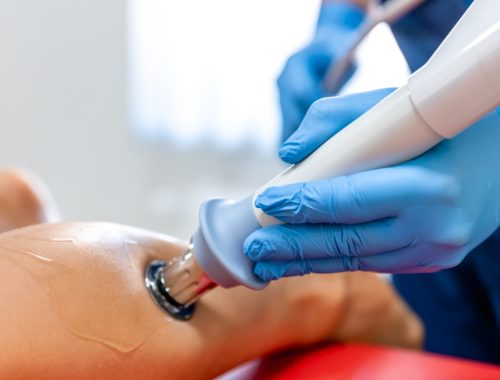
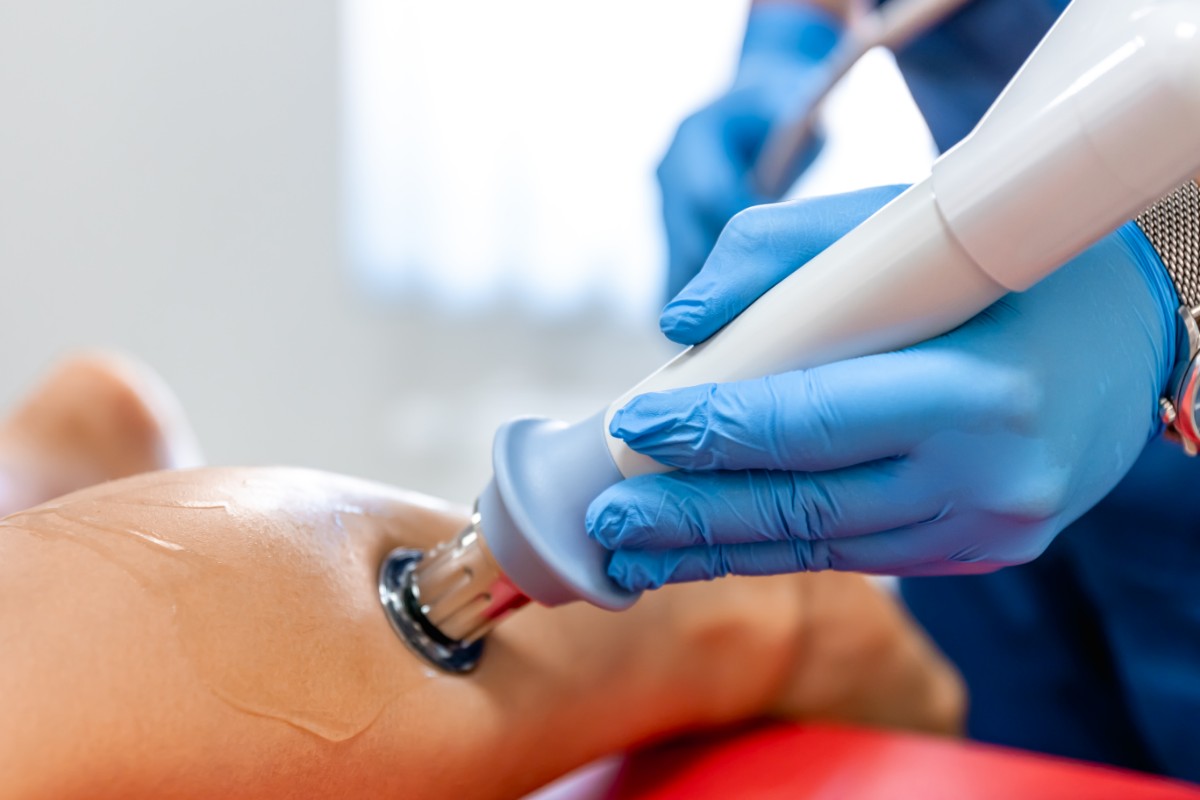
A handheld device delivers acoustic waves to the affected area.
Typical Session Length
Most sessions are relatively short and fit easily into a busy schedule.
Recovery and Follow-Up Care
Patients may receive recommendations for stretching, exercise, or additional sessions depending on their condition.
When Should You Consider SoftWave Therapy?
SoftWave Therapy may be worth considering if you have persistent pain that does not improve with rest or traditional treatments, chronic inflammation that affects daily activities, recurring joint or soft tissue problems, or if you are looking for a non-invasive alternative to surgery or injections. These ongoing symptoms may indicate underlying tissue damage that needs additional support to heal properly.
FAQs
1. Does SoftWave Therapy help reduce inflammation?
SoftWave Therapy supports the body’s natural healing process. It may help reduce chronic inflammation by promoting tissue repair and circulation.
2. What are the most common causes of chronic inflammation?
Common causes include repetitive stress, old injuries, arthritis, and unhealthy lifestyle habits. These factors can keep inflammation active for long periods.
3. Can high blood sugar levels contribute to inflammation?
Yes, high blood sugar can increase inflammation throughout the body. Over time, it may affect tissue health and healing.
4. How do I know if I have chronic inflammation?
Persistent pain, stiffness, swelling, and fatigue are common signs. Symptoms that last for weeks or months may indicate chronic inflammation.
5. Who may benefit from SoftWave Therapy?
People with chronic pain, joint problems, sports injuries, or inflammatory conditions may benefit. It offers a non-invasive option to support recovery.
Take Control of Chronic Inflammation
Chronic inflammation can affect your comfort, mobility, and overall quality of life. By addressing underlying issues such as old injuries, repetitive stress, and tissue damage, SoftWave Therapy may help support natural healing and long-term relief. At Cornerstone Chiropractic, this non-invasive treatment offers a drug-free approach to improving movement and helping you get back to doing what you enjoy.
Take the first step toward lasting pain relief and improved mobility with SoftWave Therapy at Cornerstone Chiropractic.