
Body Alignment Near Me
Body Alignment Near Me: The Secret to Better Posture and Pain-Free Movement
Do you often catch yourself slouching in the mirror or feeling a nagging stiffness in your neck after a long day at the desk? These are common signs that your body is asking for support. It’s easy to dismiss these whispers of discomfort as just a normal part of getting older or working hard, but they are often indicators that your structural balance needs attention. Acknowledging these signals is the first step toward feeling better and moving with greater ease.
Body alignment is far more than just “standing up straight” or remembering to pull your shoulders back. It is the foundational harmony of your bones, muscles, and nerves working together efficiently. When your body is properly aligned, gravity works with you rather than against you, reducing wear and tear on your joints and conserving energy. It’s about creating a state of balance where movement feels fluid and natural, rather than stiff and forced.
This post will explore how finding body alignment near me is the key to unlocking pain-free movement, how misalignment happens, and how gentle care can restore your body’s natural balance.
Decoding Body Alignment: It’s More Than Just Posture
Defining the Neutral Spine
“Neutral alignment” refers to a specific state where the body experiences the least amount of strain and weight is distributed evenly across the skeletal structure. It isn’t a rigid military posture, but rather a relaxed and sustainable position where the natural curves of the spine are supported.
The Kinetic Chain Connection
The human body operates as an interconnected web, often referred to as the kinetic chain, meaning no part works in isolation. A misalignment in the feet, such as collapsed arches, or a shift in the hips can create a ripple effect that travels upward, causing pain in the neck or shoulders.
Dynamic vs. Static Alignment
There is a significant difference between static alignment, which is how we hold ourselves when sitting or standing still, and dynamic alignment, which is how our bodies maintain balance during movement. While static posture is important for rest, dynamic alignment ensures that muscles fire correctly and joints remain stable while walking, lifting, or playing.

The Hidden Culprits Behind Misalignment
The Impact of Modern Living
Daily habits significantly contribute to gradual shifts in our structure, often without us even realizing it until discomfort sets in. Prolonged sitting at desks, looking down at smartphones—often called “tech neck”—and carrying heavy bags on one shoulder can slowly pull the spine out of its optimal position.
Old Injuries and Compensation Patterns
The body is incredibly intelligent and will instinctively shift its weight to protect an area that has been injured, a phenomenon known as compensation. For example, if you hurt your ankle years ago, you might unknowingly favor the other leg, altering your gait and eventually causing imbalances in the hips or lower back.
Stress and Emotional Tension
The mind-body connection plays a surprisingly powerful role in physical alignment. Emotional stress often leads to physical tightening of muscles, particularly in the jaw, neck, and shoulders, pulling the skeletal structure out of optimal alignment. Chronic tension can lock these patterns into place, making it difficult to relax and return to a neutral, balanced state even when the stressor is removed.
Signs Your Body Needs Realignment Support
Persistent Aches and “Mystery” Pain
One of the most common indicators of misalignment is chronic pain that doesn’t seem to have a clear cause or doesn’t go away with rest. This might manifest as a dull ache in the lower back, recurring headaches that start at the base of the skull, or stiffness between the shoulder blades. These “mystery” pains are often the body’s way of signaling that structural imbalances are placing constant stress on tissues.
Uneven Wear and Tear
Visible signs can often give clues about how your body is distributing weight throughout the day. You might notice that one shoe wears down much faster than the other, or that when you look in the mirror, one shoulder sits noticeably higher than the other. These asymmetries suggest that the body is leaning or rotating to accommodate a misalignment, leading to uneven pressure on joints.
Fatigue and Energy Drain
Holding a misaligned body upright requires significantly more energy from your muscles than maintaining a balanced posture. Because the muscles are constantly working overtime to fight gravity and keep you stable, you may feel surprisingly tired or drained by the end of the day.
How Professional Alignment Care Works
The Gentle Assessment
A professional evaluation begins with looking at the body as a whole, interconnected system rather than just chasing individual symptoms. This process involves observing how you stand, move, and hold tension, identifying where the root of the imbalance lies. The goal is to understand the unique story your body is telling, ensuring that care is targeted effectively.
Restoring Joint Mobility
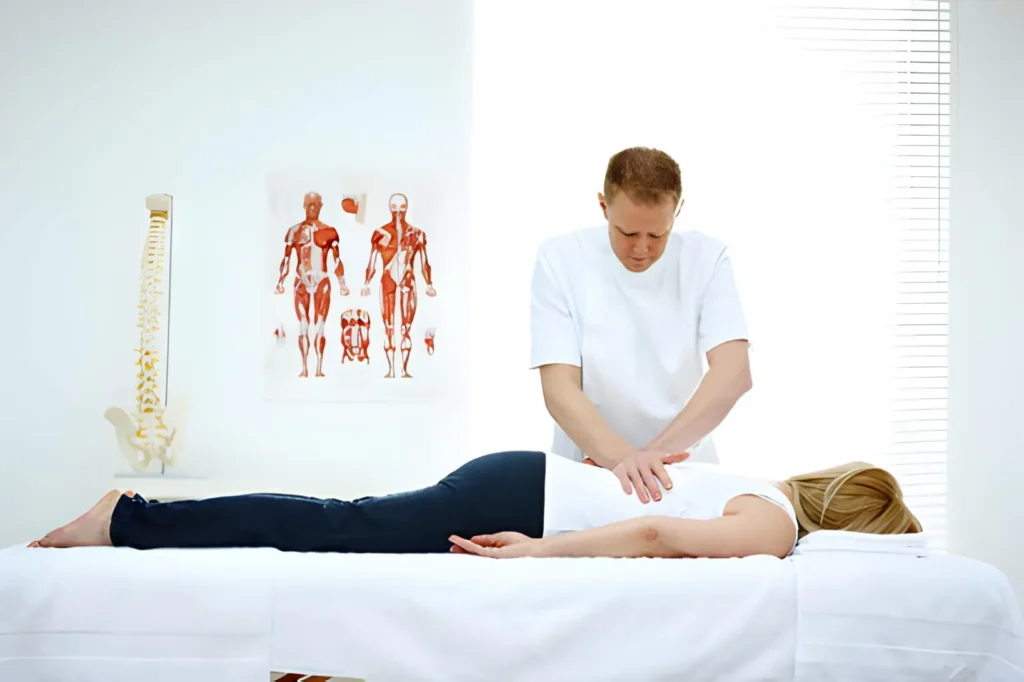
Targeted adjustments are designed to help “unstuck” joints that aren’t moving correctly, restoring their natural range of motion. When joints are restricted, it can interfere with nerve signals; restoring movement allows the nervous system to communicate freely again. This process is often gentle and precise, focusing on guiding the joint back to function rather than forcing it.
Soft Tissue Support
True alignment isn’t just about bones; it involves the soft tissues that support the skeletal structure. Professional care often includes techniques to relax tight muscles that are pulling bones out of place and strengthening weak ones to hold the adjustment. Addressing both the skeletal and muscular components ensures that the changes are sustainable and long-lasting.

Experience Gentle Care at Cornerstone Chiropractic
A Family-Focused Environment
Cornerstone Chiropractic prides itself on an inclusive approach, welcoming every member of the family into a supportive space. From newborns needing gentle checks after birth to grandparents seeking better mobility for playing with grandkids, the environment is designed to be safe for all ages.
Listening to Your Story
Treating people, not just spines, is a core philosophy here. Taking the time to understand a patient’s unique history, fears, and health goals allows for a truly personalized care plan. You are heard and validated, ensuring that the treatment aligns not just with your physical needs, but with your lifestyle and comfort levels as well.
Techniques Tailored to Your Comfort
Methods used are gentle and specifically adapted to each individual’s needs and fragility. Whether using low-force techniques for a sensitive infant or more traditional adjustments for an active adult, the priority is always a comfortable and positive experience. Reassurance is provided every step of the way, making the path to wellness less intimidating.
The Ripple Effects of Better Alignment
Improved Nervous System Function
Because the spine houses and protects the nervous system, proper alignment can have profound effects on overall health. When the spine is aligned, nerve interference is reduced, which can improve everything from digestion to immune system function. It optimizes the body’s internal communication lines, allowing it to regulate and heal itself more effectively.
Better Balance and Coordination
A well-aligned body moves with greater ease and stability, which is essential for preventing injuries. Improved structural balance enhances coordination, reducing the risk of falls—especially important as we age—and improving performance in sports or hobbies. Whether it’s golfing, gardening, or walking, activities become more enjoyable when the body cooperates fully.
Deeper, More Restful Sleep
Reducing physical tension and pain has a direct link to the quality of sleep one experiences. When the body isn’t fighting discomfort or trying to find a comfortable position all night, it can fall asleep faster and stay asleep longer. Waking up feeling truly rested is a common and celebrated side effect of restoring proper body alignment.
Finding the Right “Body Alignment Near Me”
Looking for a Holistic Approach
When searching for care, it is advisable to seek providers who look at lifestyle, nutrition, and stress factors rather than offering a quick-fix mechanical solution. A holistic practitioner understands that alignment is influenced by how you live, eat, and feel.
The Importance of Patient Education
Choosing a practitioner who takes the time to teach you about your body is empowering. Understanding why misalignment happens and learning tools to maintain balance at home transforms the patient from a passive recipient to an active participant in their healing.
Seeking a Warm and Safe Atmosphere
Healing happens best in an environment where patients feel safe, respected, and truly cared for. It is important to find a practice where the atmosphere is warm and welcoming, reducing anxiety and promoting relaxation. Feeling comfortable with your provider builds trust, which is an essential component of any therapeutic relationship.
Daily Habits to Support Your New Alignment
Mindful Ergonomics at Home and Work
Setting up a workspace or relaxing on the couch in a way that supports the spine can prevent daily strain. Simple adjustments, like ensuring screens are at eye level or using a lumbar cushion, can make a significant difference in maintaining alignment. Being mindful of how you sit and stand throughout the day acts as continuous, gentle support for your body.
Gentle Movement as Medicine
Incorporating low-impact activities like walking or light stretching helps keep joints lubricated and mobile between visits. Movement acts as medicine, preventing stiffness from setting in and reinforcing the positive changes made during care. Consistent, gentle activity signals to the body that it is safe to move freely.
Listening to Your Body’s Whispers
Encouraging a habit of mindfulness allows you to pay attention to subtle signals of tension before they turn into shouting pain. Noticing when shoulders creep up toward ears or when weight shifts to one leg allows for immediate, small corrections. This proactive awareness is a powerful tool in maintaining lifelong health and alignment.
Conclusion
Body alignment affects every aspect of our health, from how we move to how we sleep. While modern life presents many challenges to our structural balance, it is reassuring to know that balance is retrievable. You don’t have to accept stiffness, fatigue, or pain as a “normal” part of life.
Gentle alignment care is a pathway to a more vibrant, active existence. By understanding your body’s needs and seeking supportive, professional care, you can reclaim your comfort and vitality. Consider scheduling a consultation today—it’s not just an appointment; it’s a conversation about your health and a step toward feeling like yourself again.
Cornerstone Chiropractic
https://maps.app.goo.gl/APxy9TLbhKPrreeP9
2763 S Oneida St, Green Bay, WI 54304
(920) 274-8283
https://drbillbinsfeld.com/